Ana karɓar abubuwan da aka dawo da su cikin kwanaki 40 tun ranar karɓar kayan. Ba za a iya mayar da abubuwan da aka keɓance ba. Abubuwan da aka saya tare da katin kyauta ana iya musayar su kawai.
Kyauta Kyauta
Barka da zuwa Roymall, shafinku na siyan kyaututtuka masu inganci. Muna girmama goyon bayanku, kuma muna ba da kyauta kyauta tare da kowane siyayya.Shirya don bincika tarinmu kuma ku sami kyaututtukanku masu dacewa.
Manufar Jigilar Kaya
Za mu aika kayanku cikin kwanaki 2 bayan siyayya.Lokacin jigilar kaya yawanci kwanaki 5-7 ne.Saboda jigilar mu ta duniya ne, lokacin jigilar zai dogara da wurin ku.
1. Manufar Komawa
Muna karɓar abubuwan da aka saya daga roymall.com kawai.Ba za a iya mayar da kyauta kyauta ba.Dole ne abu ya kasance ba a yi amfani da shi ba kuma a cikin yanayin da kuka karɓa.Za mu sarrafa komawar ku cikin kwanaki 3-5 bayan karɓa.Ba za a iya mayar da abubuwan da aka keɓance ba.Tuntuɓi mu. service@roymall.com ko Whatsapp: +447549870296
2.Manufar Maida Kuɗi
Za ku sami cikakken maida kuɗi bayan mu karɓi abubuwan da aka dawo.Kuɗin jigilar kaya ba za a iya mayar da su ba.Tuntuɓi mu. service@roymall.com ko Whatsapp: +447549870296
Videos for similar product
Loading product videos...
❮
❯
Products related to this item
Loading related products...
❮
❯
Descriptions:
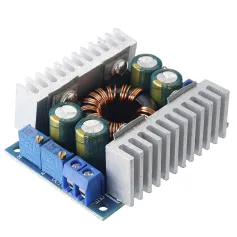
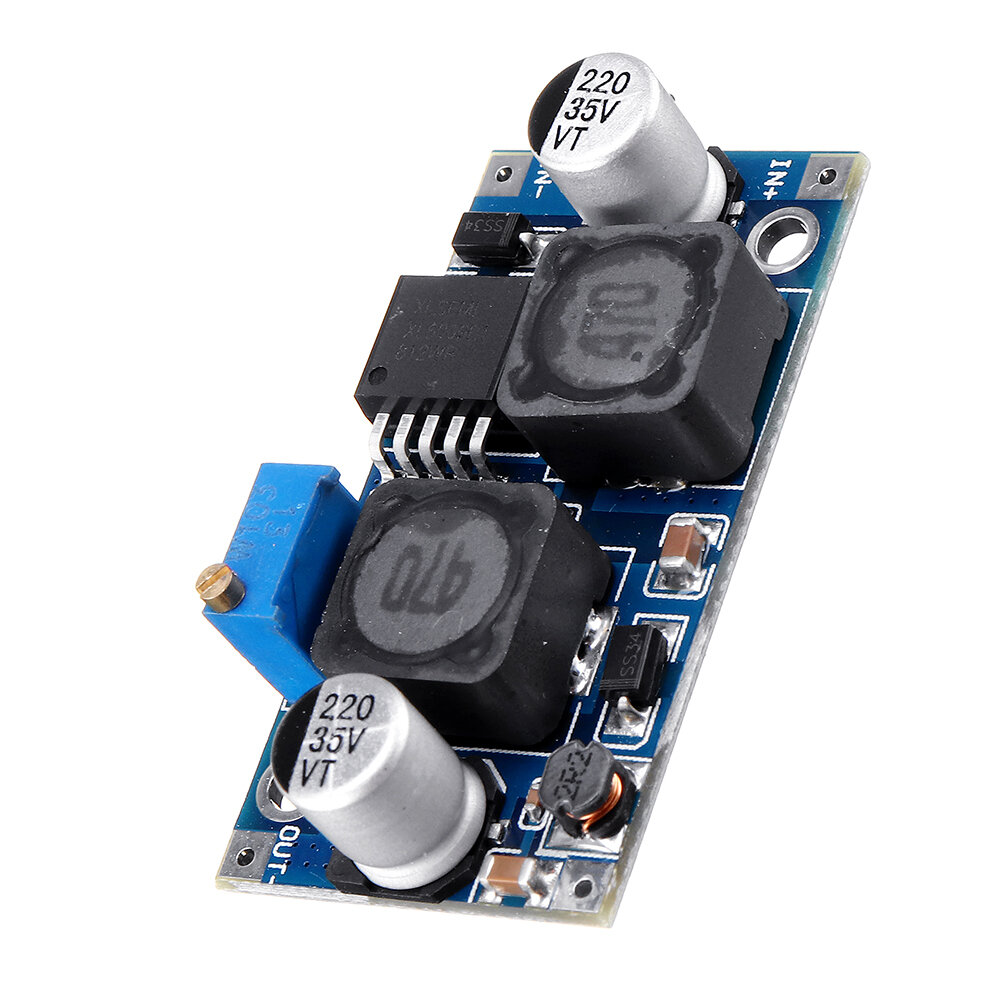
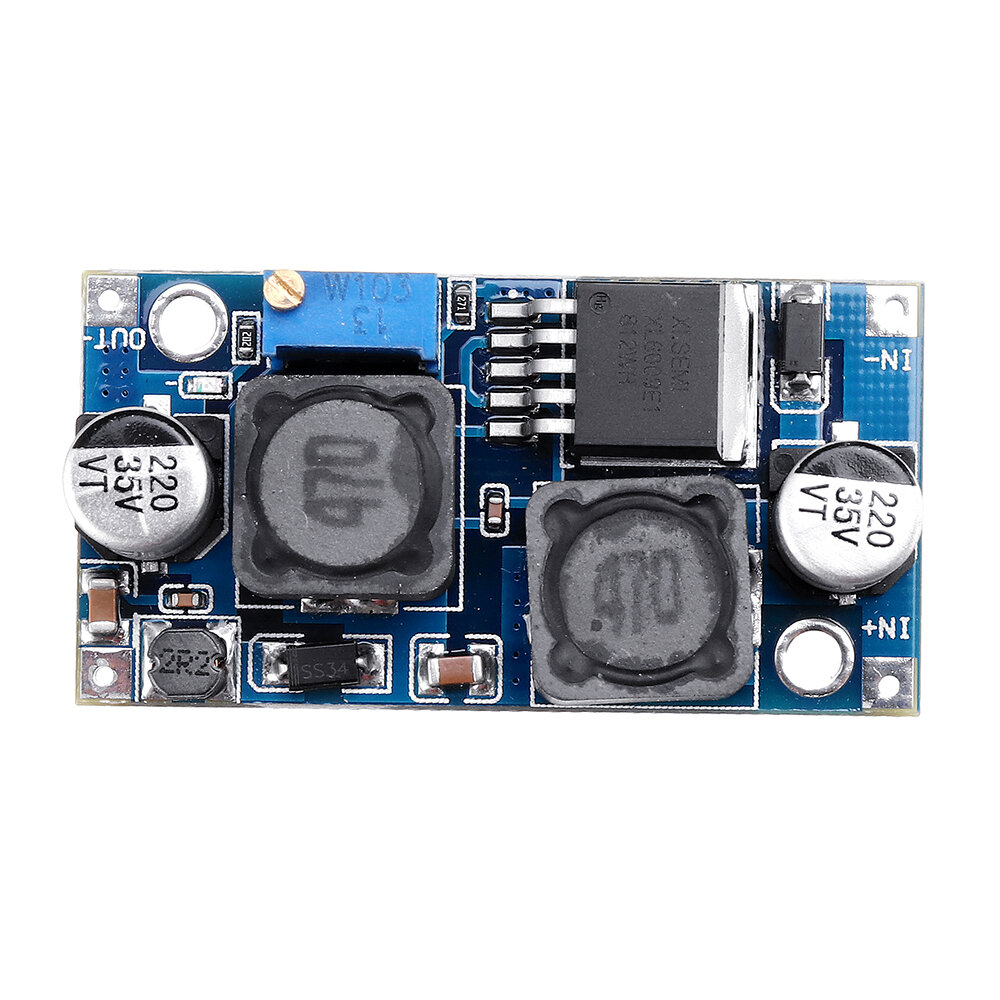
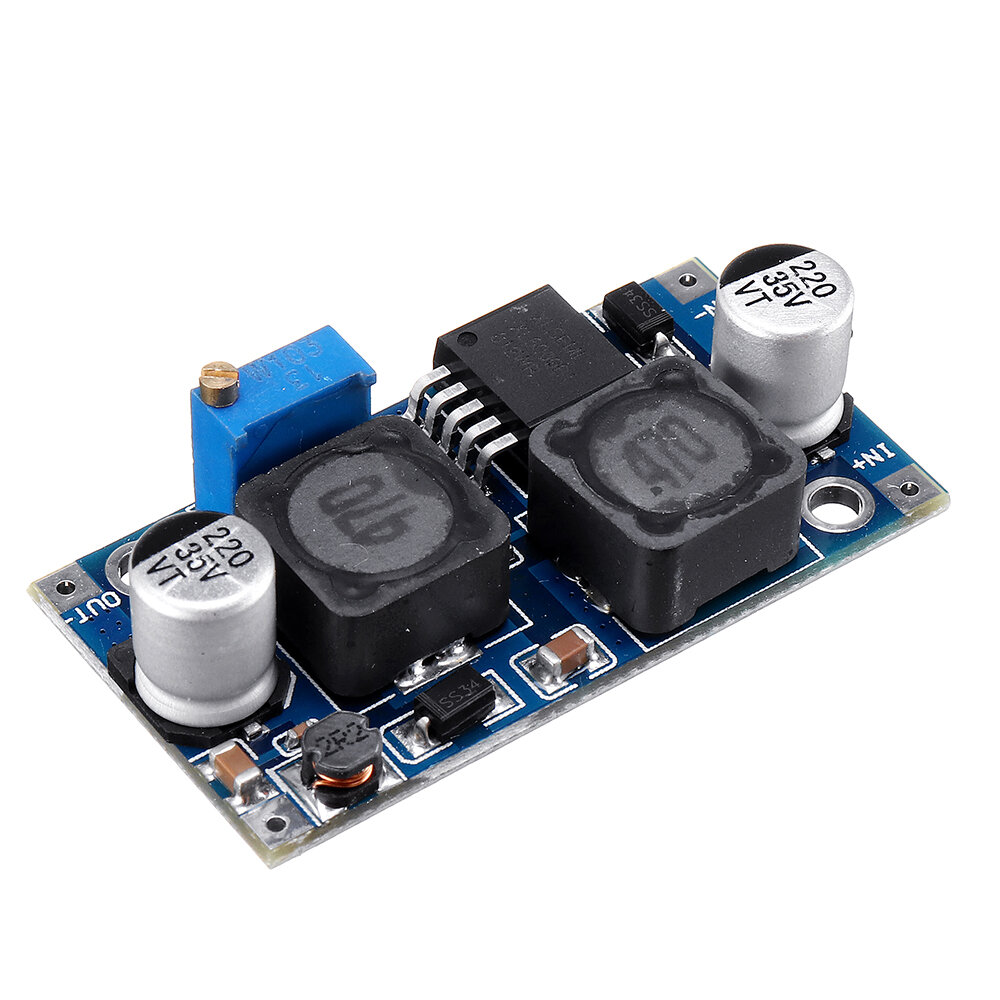
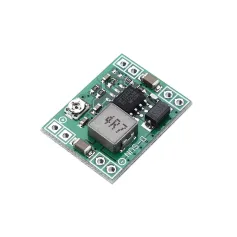
Auto start voltage will be pulled down to 7V or less, and engine will at high speed when the voltage up to 15V or higher. It is hard to work for 12V electrical equipment, this automatic buck boost module can solve this problem, regardless of the input voltage is 5V or 12V or 32V, the output can be stabilized at 12V.
Built-in 4A efficient MOSFET switches enable efficiency up to 94%; (LM2577 current is 3A)
High switching frequency 400KHz, the ripple is smaller, dimension is smaller . (LM2577 frequency only 50KHz)
Applications:
Car regulator, solar photovoltaic, wind power and other applications of voltage instability .
Specifications:
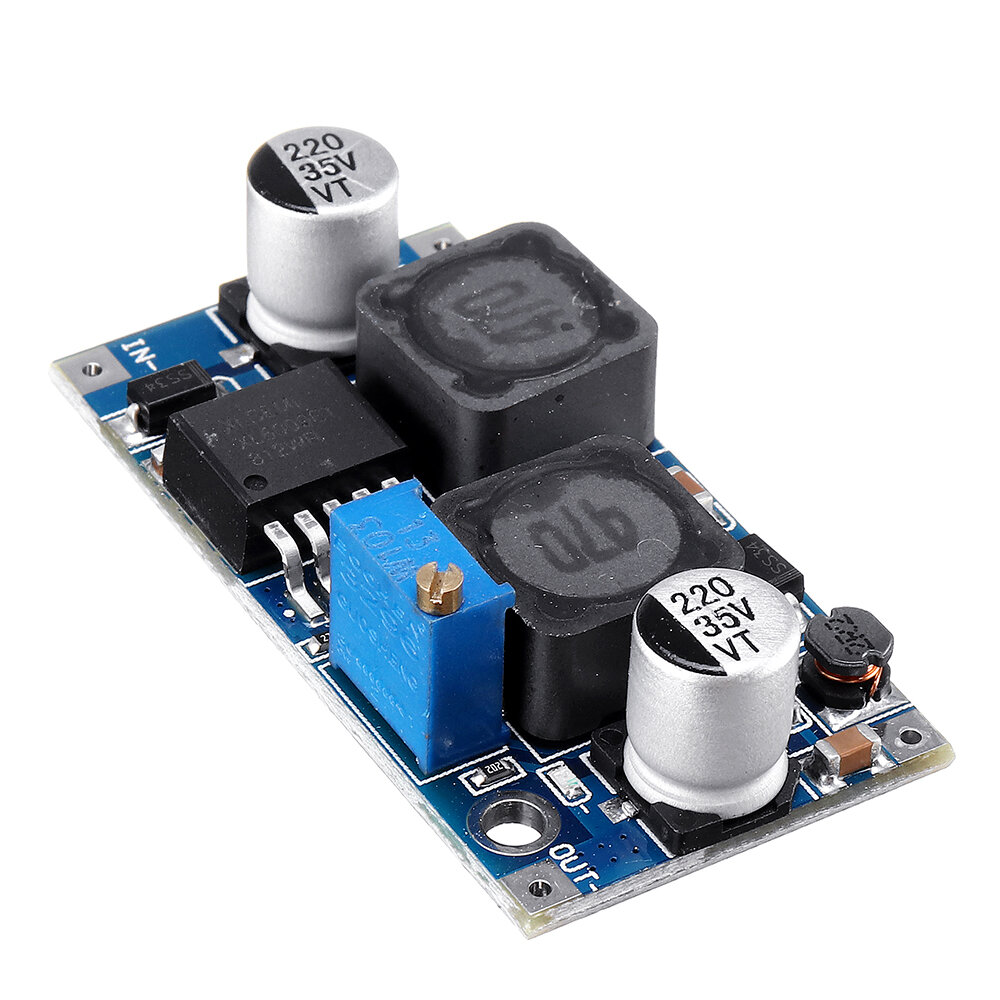
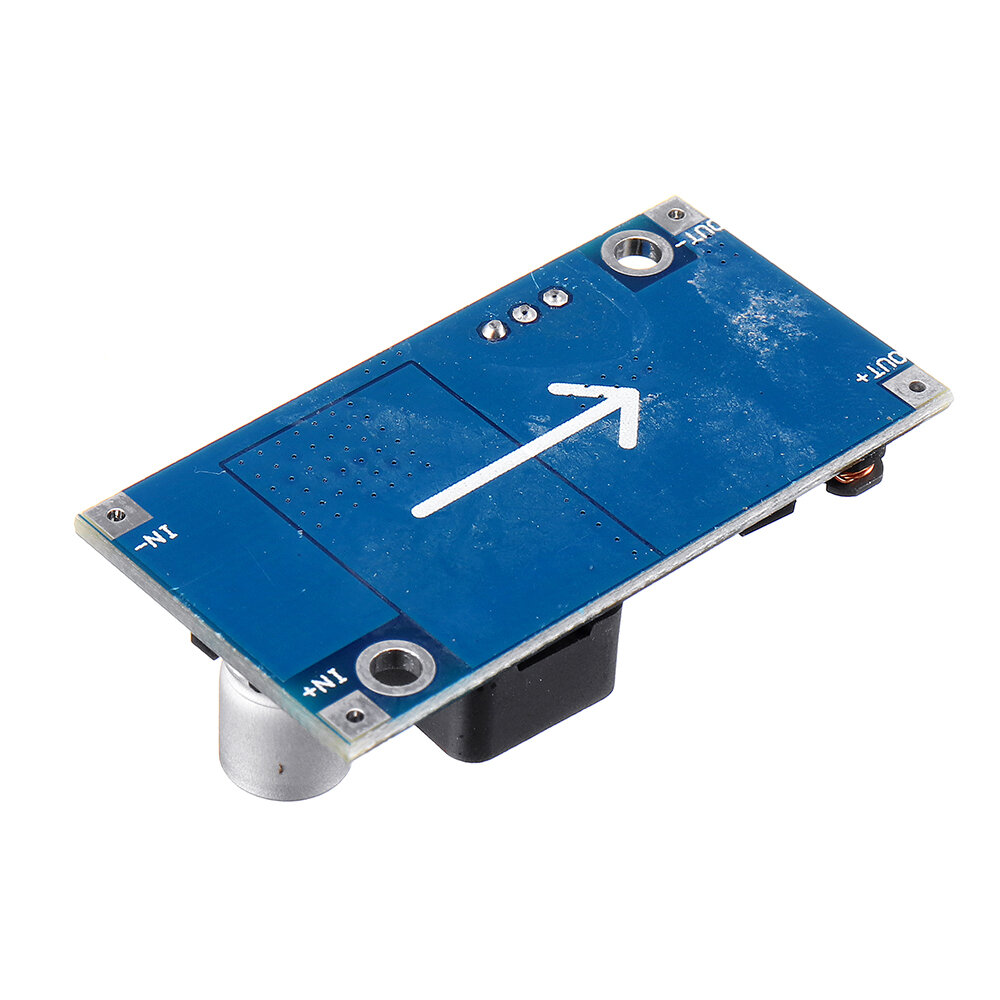
Model Specification: DSN6000AUD Automatic Buck module
Module Properties: Non- isolated boost (BOOST)
Rectification: Non- Synchronous Rectification
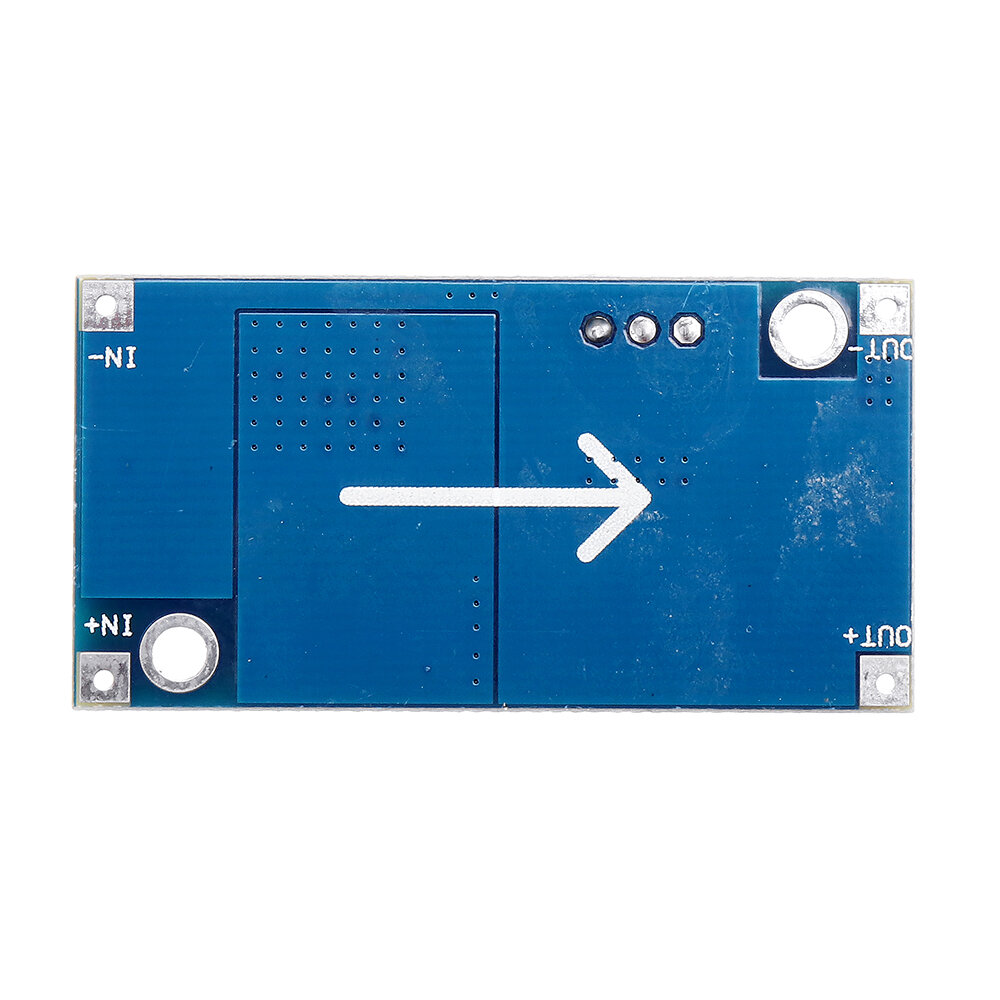
Input Range: 3.8V - 32V
Output Range: 1.25V - 35V
Input Current:3A ( max ) , no-load 18mA (5V input , 8V output , no-load is less than 18mA. Higher the voltage, the greater the load current. )
Conversion efficiency:<94% ( the greater the pressure , the lower the efficiency )
Switching frequency:400KHz
Output Ripple:50mV ( the higher the voltage, the greater the current, the greater the ripple )
Load Regulation:± 0.5%
Voltage Regulation:± 0.5%
Operating Temperature:-40 - +85
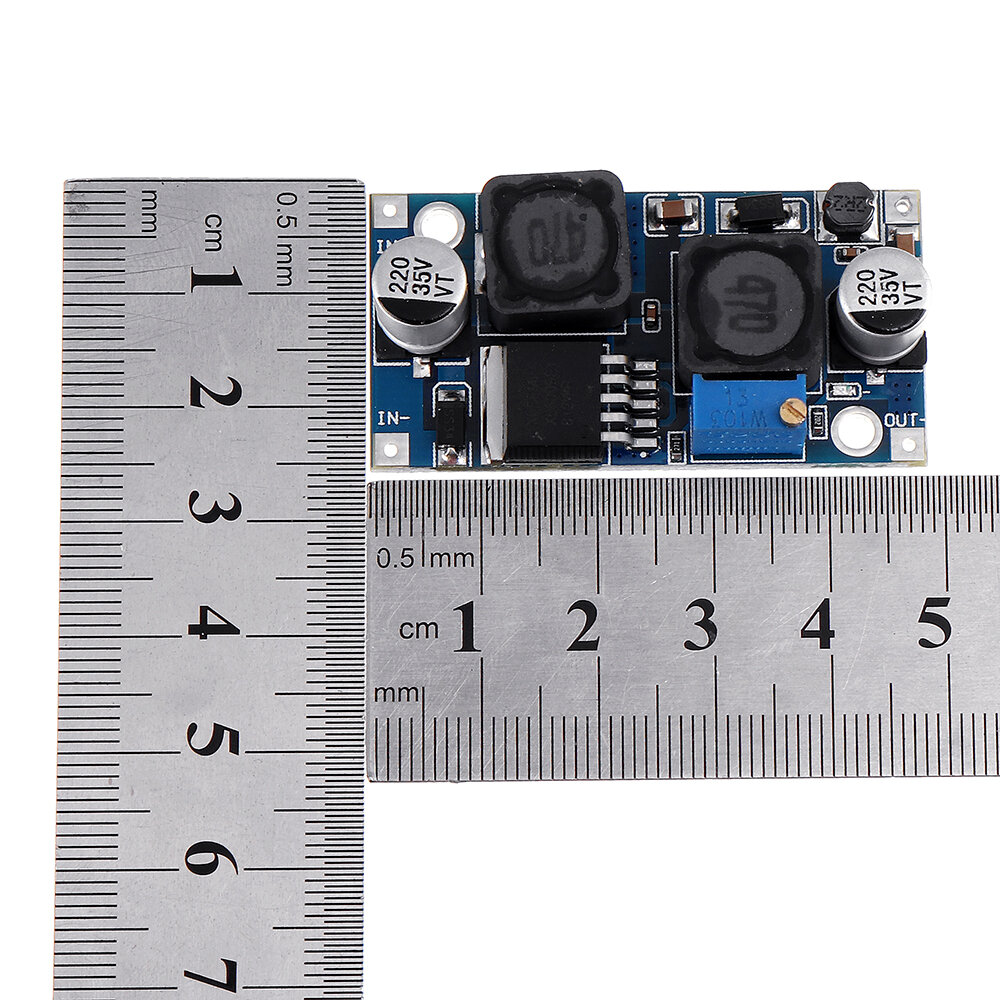
Dimensions:48mm * 25mm * 14mm ( L * W * H )
Package included:
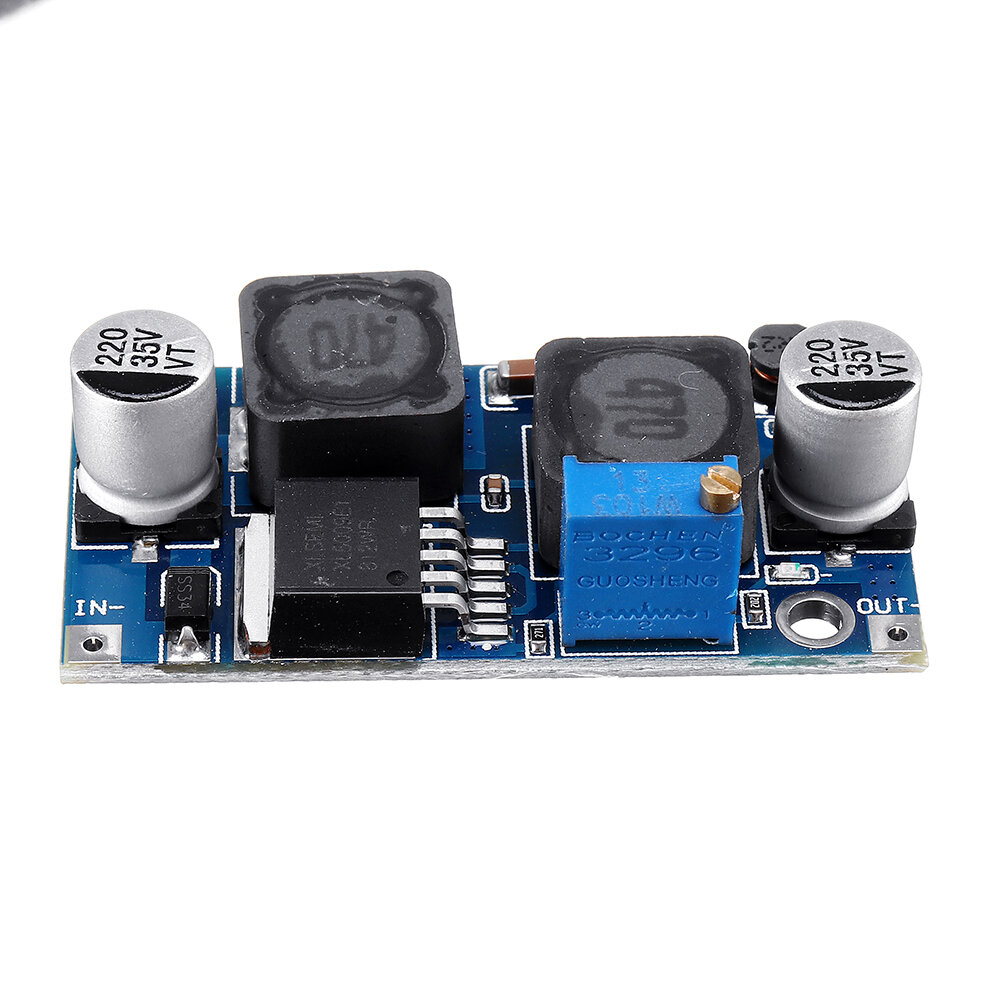
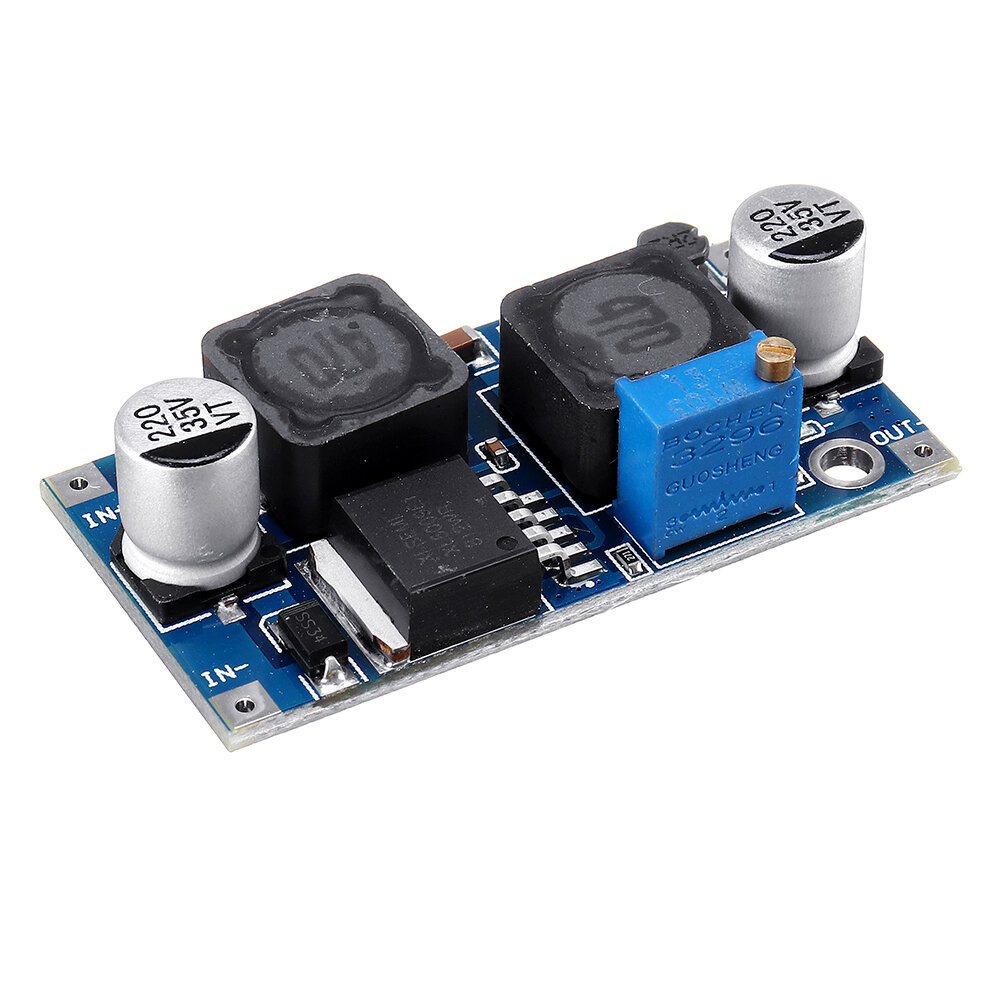
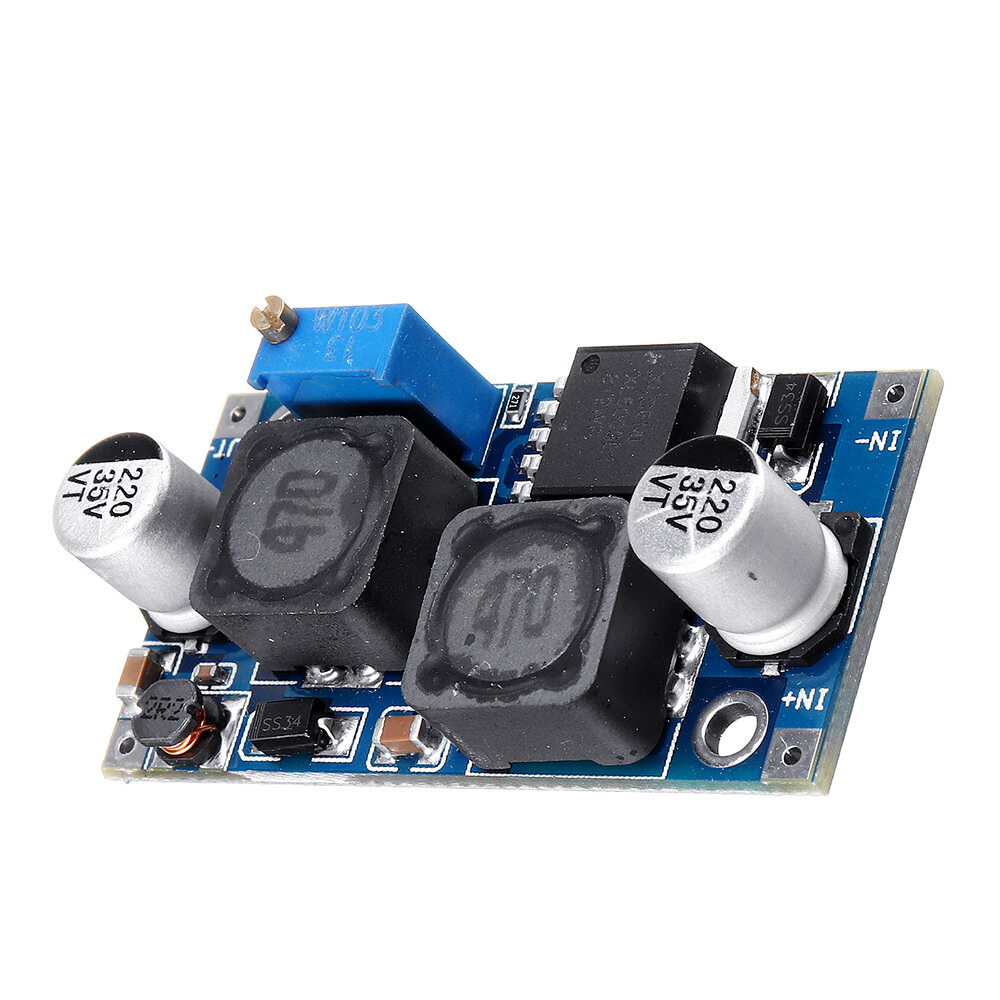
3 x DC-DC Boost Buck Adjustable Step Up Step Down Automatic Converter XL6009 Module
Just a little warning: during my tests, I lowered the input voltage and under 3.5V, the circuit doesn't cut but becomes crazy and the output (that was set to 15V with the pot.) jumps to 40V with no load. With a 2k resistor at the output, it only goes to 30V.
Of course, this is under the specified minimum voltage, but for solar applications, how can you guarantee that the input voltage will not be there?
So when it says "Module Suitable For Solar Panel" I'm suspicious. If you really want to use it like that, you could add a small circuit between the solar panels and the converter to cut it if the voltage drops under the minimum 3.8V or clamp the output with a zener (there's no voltage rating on the output capacitor so that kind of overvoltage could damage it if it is not designed to handle 40V)
Also the problem with that kind of circuit is that if you try to extract too much current from a solar cell, its voltage drops, but then the converter will try to get even more current to keep it's output and the input voltage drops even more... So you also have to add a circuit that limits the output current when the input voltage drops.
Conclusion: good circuit if you use it properly but not really appropriate for solar panels despite what it says in the title.
Will bu used in the future with old PC-power-supplies for variable voltages.
I have tested it with a power supply and measured the output voltage. The input was 7.2 Volts. I have used output at voltages of more than 25 V down to 1.5 Volts.
The trimmer for the output voltage is extremely sensitive (10 turn potentiometer) so that the exact voltage can be set easily.
The input voltage should be 5 Volt or higher for stable output.



 Roymall C.o.


 Kyauta Kyauta
 Manufar Jigilar Kaya
 Manufar Komawa








 Coupon Code
 Direct purchase from the factory
 Electronic Components & Supplies
 Module Board
 Power Supply Module