Tee Ga


Tee Gbe


 Roymall C.o.

Axɔ si wòkpɔ

 Dɔwɔnuku Xɔse
 Dɔwɔwɔ Kɔkɔe
 Dɔwɔwɔ Kɔkɔe
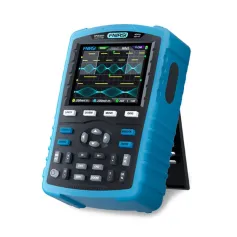
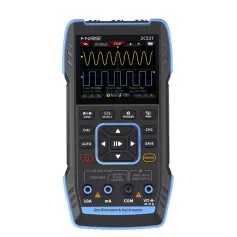
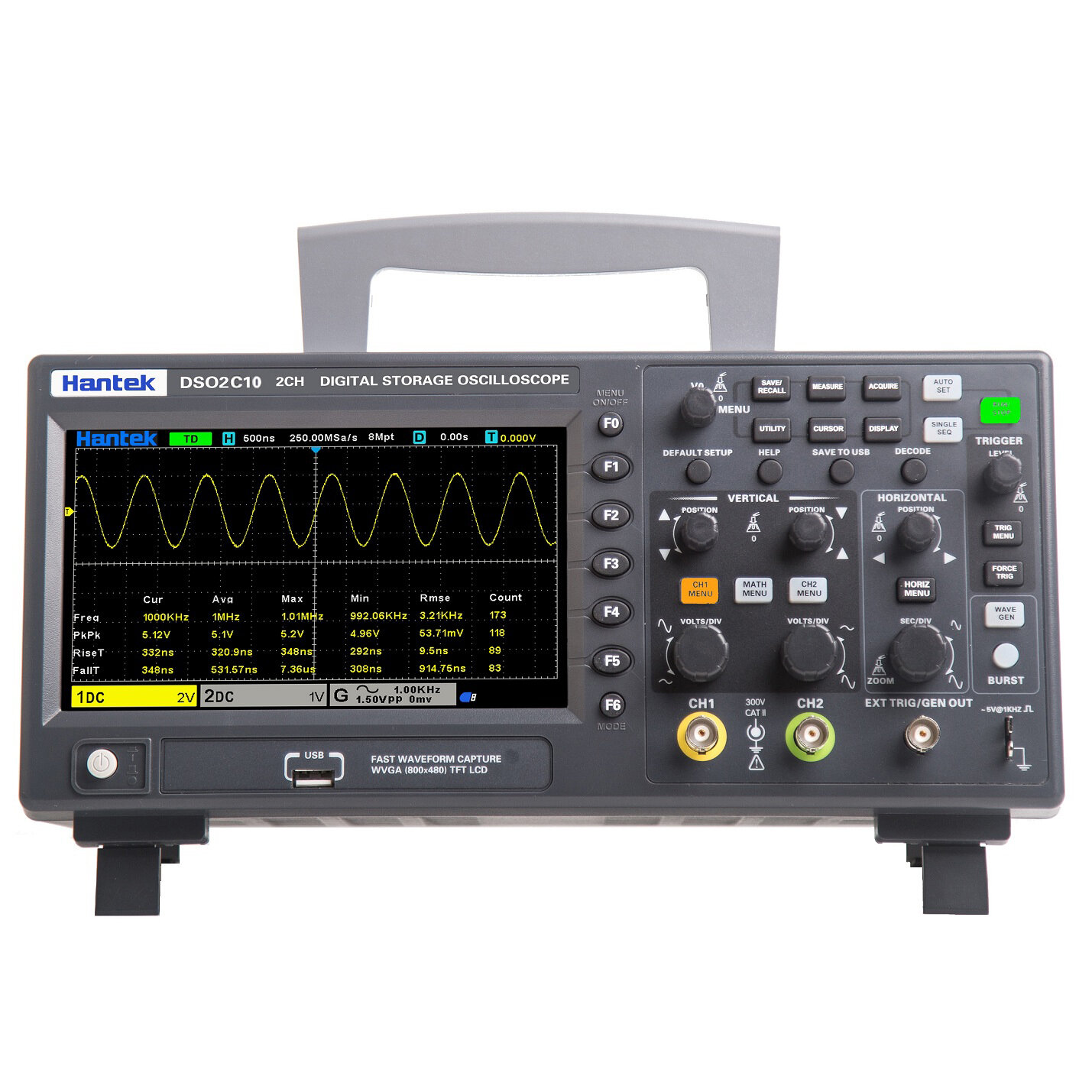
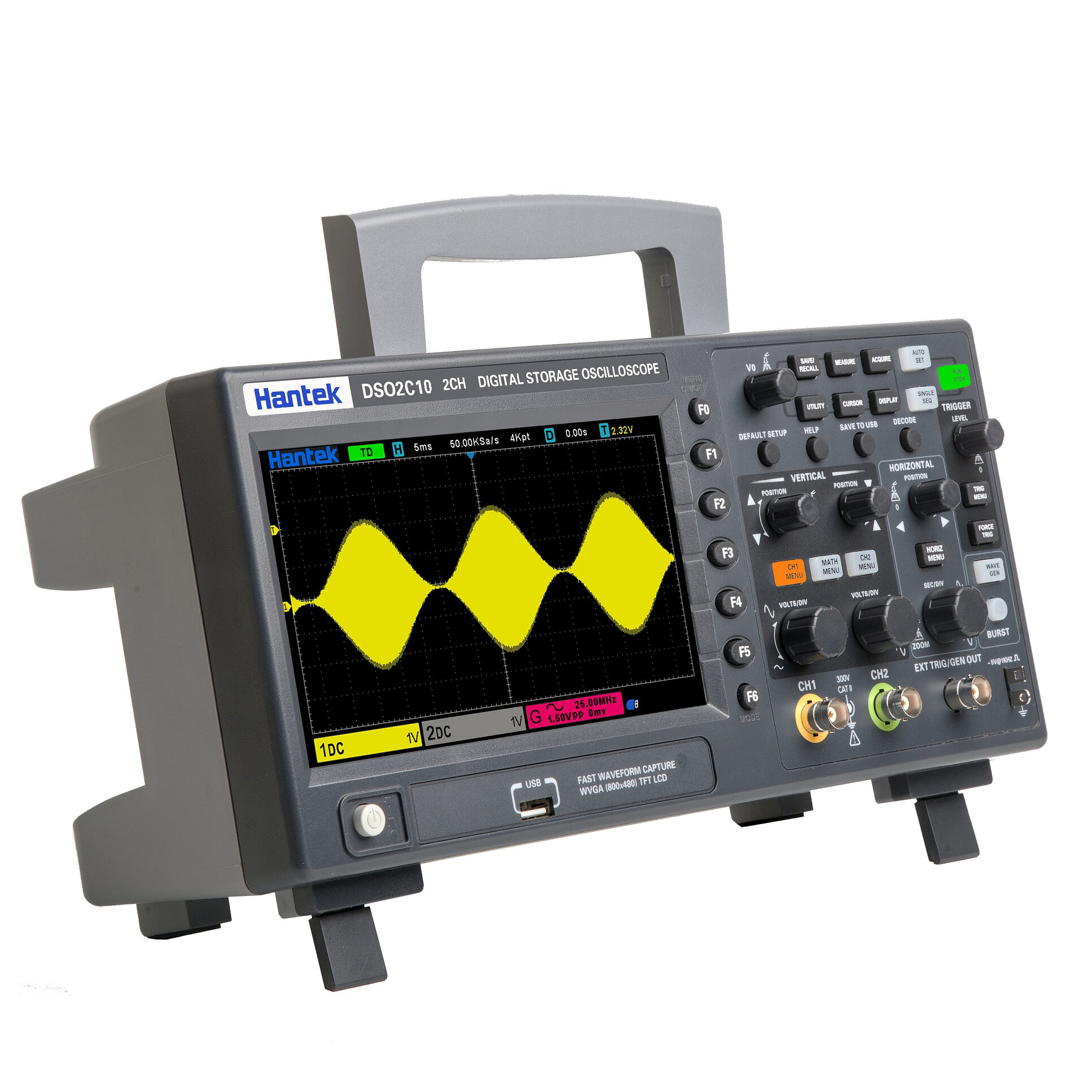
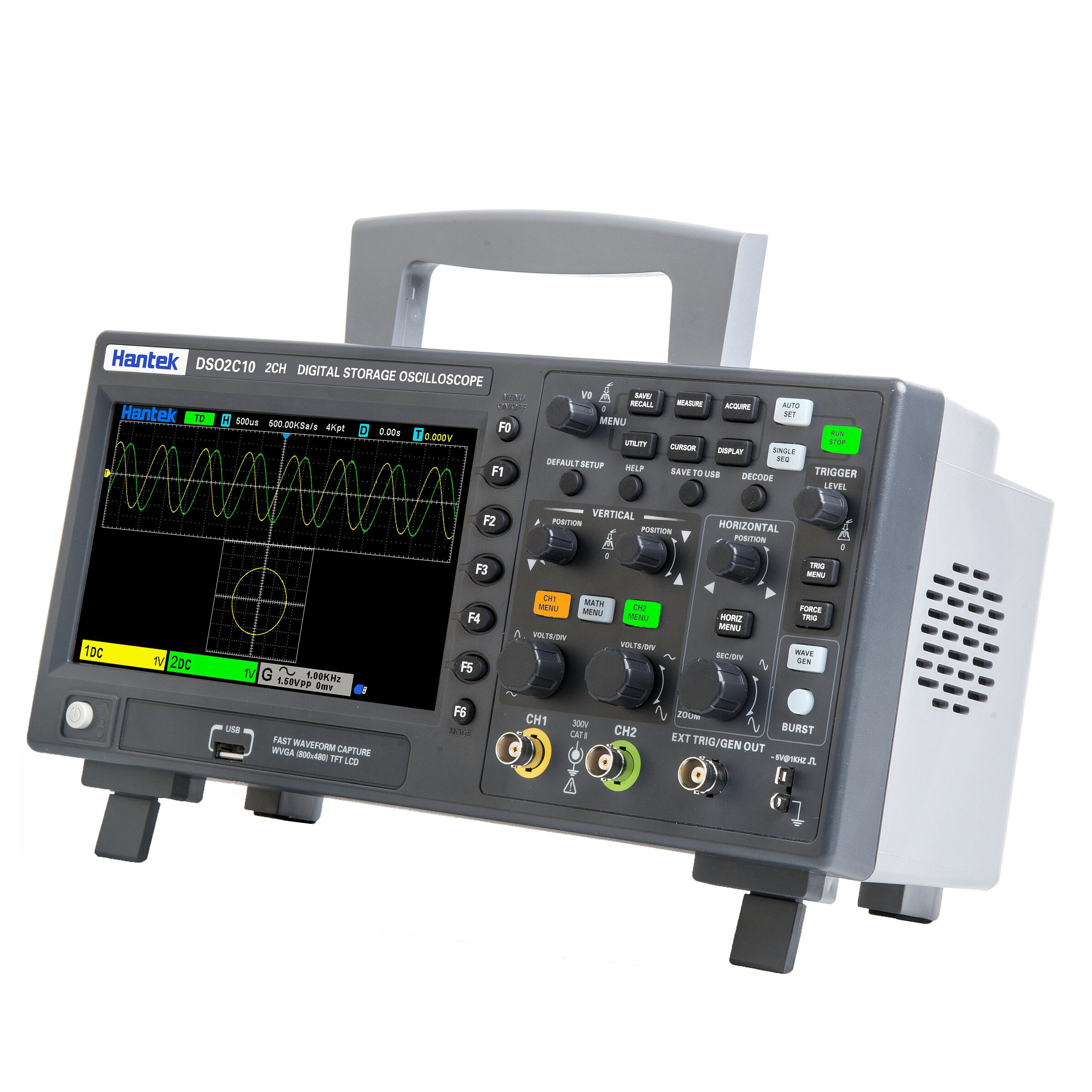
Features:
1), 2 channels, each channel has independent knob control;
2), Analog bandwidth 100MHZ
3) The highest sampling rate is 1 GSa/s;
4), The storage depth is 8Mpts;
5), The vertical range of 2mV/div ~ 10V/div;
6) Vertical resolution: 8bit;
7) Trigger: edge, pulse, video, slope, timeout, window, pattern, interval, runt, UART, LIN, CAN, SPI, IIC;
8) Bus decoding and protocol analysis: RS232/UART, I2C, SPI, CAN, LIN;
9), Can save settings, waveforms, reference waveforms, CSV, pictures and other data formats.
10), 3-digit digital voltmeter and 6-digit frequency meter functions;
11) Support 32 kinds of automatic measurement and statistics functions, real-time statistics of minimum, maximum, standard deviation and other statistical information;
12), Two groups of digital voltmeter functions;
13) Support threshold test to realize free measurement in the screen;
14), Rich SCPI remote control instructions;
15). Provide multiple types of peripheral interfaces: USB Host/Device.
Product Model(NOTE:Click on the model to reach the purchase link of the corresponding model) :
| Model | Channels | Bandwidth | Sampling Rate | Storage Depth | Signal Source (AWG) |
| 2CH | 100MHz | 1GSa/S | 8M | / | |
| 2CH | 150MHz | 1GSa/S | 8M | / | |
| 2CH+1CH | 100MHz | 1GSa/S | 8M | 1CH | |
| 2CH+1CH | 150MHz | 1GSa/S | 8M | 1CH |
>>Please Click Here to Download the English User Manual<<
>>Click to Download DSO2000 Software<<
Specification:
| model | DSO2D15 | DSO2D10 | DSO2C15 | DSO2C10 |
| bandwidth | 150MHz | 100MHz | 150MHz | 100MHz |
| Number of oscilloscope channels | 2CH | 2CH | 2CH | 2CH |
| Built-in signal source | 1CH | 1CH | - | - |
| Oscilloscope index | ||||
| Sampling rate range | 1GSa/s (single channel), 500MSa/s (dual channel) | |||
| Collection method | ||||
| sampling | Sample data | |||
| Peak-to-peak | Display high frequency and random glitches | |||
| average value | Average waveform, times: 4, 8, 16, 32, 64, 128 | |||
| High precision | Up to 12bit | |||
| enter | ||||
| Input coupling | DC, AC or ground (DC, AC, GND) | |||
| input resistance | 1MΩ±2% u201620pF±3pF | |||
| Probe attenuation coefficient setting | 1X, 10X, 100X, 1000X | |||
| Voltage level | 300V CAT II | |||
| Maximum input voltage | 300VRMS (10X) | |||
| Horizontal system | ||||
| Waveform interpolation | (sin x)/x | |||
| Maximum record length | Maximum 8M per channel | |||
| Maximum 4M for dual channels | ||||
| Horizontal scale range | 2ns/div~100s/div 1, 2, 5 steps | |||
| Time base mode | YT, XY, Roll | |||
| Zero offsets | ±0.5 div×minimum time base gear | |||
| Sampling rate and delay time accuracy | ±50ppm | |||
| Clock drift | ≤±5 ppm/year | |||
| Incremental time measurement accuracy | Single, "sampled" mode | |||
| (Full bandwidth) | ±(1 sampling interval+100ppm×reading+0.6ns) | |||
| uff1e16 times above average | ||||
| ±(1 sampling interval+100ppm×reading+0.4ns) | ||||
| Sampling interval = second/div÷200 | ||||
| Vertical system | ||||
| model | DSO2D15 | DSO2D10 | DSO2C15 | DSO2C10 |
| bandwidth | 150MHz | 100MHz | 150MHz | 100MHz |
| Rise time at BNC (typical) | 2.3ns | 3.5ns | 2.3ns | 3.5ns |
| Vertical resolution | 8-bit resolution, simultaneous sampling for each channel | |||
| Vertical sensitivity | 2mV/div to 10V/div | |||
| Offsets range | 2mV/div to 20mV/div, ±100mV; 50mV/div to 200mV/div, ±1V; | |||
| 500mV / div to 2V / cell, ± 10V; 5V / div to 10V / division, ± 50V | ||||
| computation | Add, subtract, multiply, divide, FFT | |||
| FFT | Window: Rectangular, Hanning, Hamming, Brackman, Bartlett, flat top window | |||
| Bandwidth limit | 20MHz | |||
| Low frequency response (-3db) | ≤10Hz at BNC | |||
| Vertical gain accuracy | In the "sample" or "average" acquisition mode, the accuracy of 10V/div to 10mV/div is ±3%; | |||
| In "Sampling" or "Average" acquisition mode, the accuracy of 5mV/div to 2mV/div is ±4% | ||||
| DC offsets accuracy | ±0.1 div±2 mV±1% offsets value | |||
| Voltage measurement repeatability, average acquisition mode | Under the same settings and environmental conditions, the voltage increment between any two sets of average values \of more than 16 waveforms: ±(3%×reading+0.05 division) | |||
| Note: The bandwidth is reduced to 6MHz when using X1 probe | ||||
| Trigger system | ||||
| Trigger type | Edge, pulse, video, slope, timeout, window, pattern, interval, runt, UART, LIN, CAN, SPI, IIC | |||
| Trigger level range | ±5 divisions from the center of the screen | |||
| Trigger mode | Automatic, normal, single | |||
| Level |
Reviews(115)
5.00
See All Reviews
Questions & Answers(33)
Q: Hello there,
Does this model have X-Y mode?
5 answers
Q: QUANTO TIME FOR DELIVERY.? JUIZ DE FORA MINAS GERAIS.!
2 answers
Description
You also Interesting
Tee Ga

Tee Gbe
Na ɖe nya yeye siwo katã wɔna kple 15% ɖeɖeɖe na wò xɔɖeɖe gbãtɔ. 
Roymall ServiceHi ? | |||


 Coupon Code
 Direct purchase from the factory


 Tools
Tools Measurement & Analysis Instruments
 Digital Multimeters & Oscilloscope
 Oscilloscopes